Government Grant

Boiler Upgrade Scheme

Make the switch to smarter heating with up to £9,000 towards your new heat pump.

What It Is

Up To £9,000 Off, Applied Upfront

The Boiler Upgrade Scheme (BUS) is administered by Ofgem on behalf of UK government. It offers a grant of up to £7,500 towards the cost of replacing a fossil-fuel heating system with a heat pump — and where you qualify, we apply it upfront, so it's already deducted from your quote.

Off the mains gas grid? The grant rises to £9,000, making a heat pump one of the most cost-effective upgrades available for rural and off-grid properties.

Quieter, cleaner heating — with the grant built in

Modern home heating system upgrade
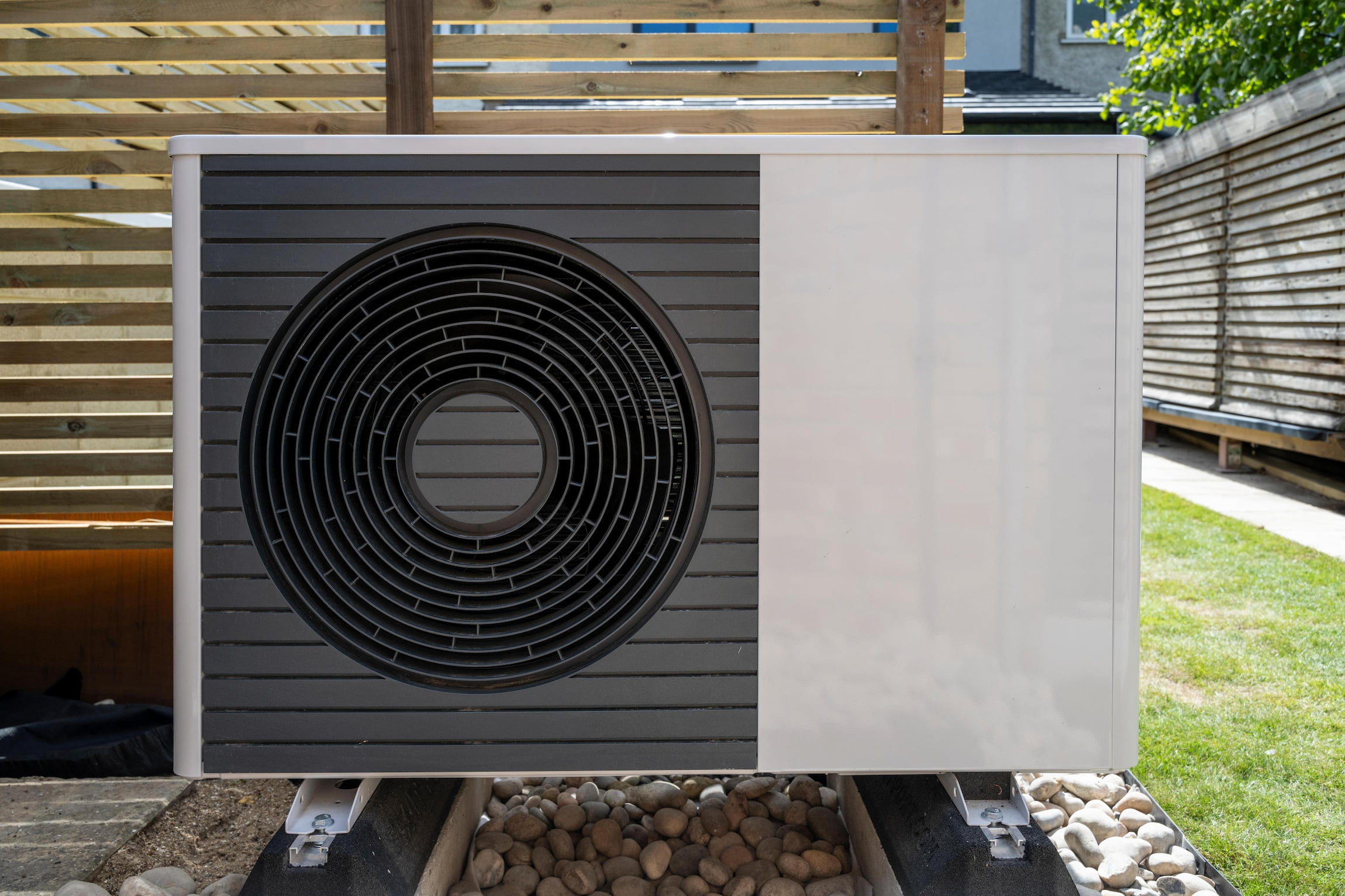
Air source heat pump unit installed outside a UK home
How It Works

How the Scheme Works

Once you're eligible for the grant, we manage the BUS voucher process with Ofgem on your behalf. We apply the voucher and redeems the grant with Ofgem. The grant applies directly to your installation quote, reducing your overall cost.

Ofgem will also email you to confirm your consent and complete a simple online identity check.

Get your free quote
What's Included

A Fully Managed Installation

We handle the full process — from an initial heat-loss survey through to sizing the right unit for your home, installation, and commissioning. Every system is backed by manufacturer and workmanship warranties.

As MCS-certified installers, we ensure your installation meets the standard required for grant eligibility and is registered correctly from day one, with no surprises further down the line.

Book a free survey

Energy-efficient home exterior

Eligibility Criteria

Do you qualify?

Eligibility Checklist

Five quick criteria — we confirm all of this during your free survey
01

You own the property, or have the freeholder's written permission to install a heat pump.

02

Your home is currently heated by a fossil-fuel system — mains gas, oil or LPG boiler, or electric storage heaters.

03

You have a valid Energy Performance Certificate (EPC) with no outstanding loft or cavity wall insulation recommendations.

04

The property is in England or Wales, and the heat pump is installed by an MCS-certified installer — that's us.

05

You haven't already received a Boiler Upgrade Scheme grant for the same property.

Not sure if you tick every box? We'll check for you.

Book a free survey
The Process

Our Delivery Approach

From first call to installation, here's how it works.

1

Retrofit Assessment

We assess your home, heating and energy use to recommend the right solution for your property and budget — with no obligation.

2

System Design & Quote

We design an integrated system tailored to your home and provide a clear, detailed quote. We’ll also confirm your grant eligibility and manage the application process.

3

Professional Installation

Our certified installers take care of every stage of the installation, ensuring quality, safety and a smooth experience from start to finish.

Boiler Upgrade Scheme

Common questions before switching from a gas, oil or LPG boiler to an air source heat pump.

This is an independent heating-upgrade enquiry and installer-matching service. It is not a government department or official scheme administrator.
No. An enquiry simply allows an installer or adviser to contact you and discuss the property. You should review any written proposal before deciding whether to proceed.
Basic details may include the property type, postcode, ownership, existing heating, preferred technology, contact details and your expected timeframe.
Yes. It is often useful to compare practical options before arranging a detailed assessment.
Suitability depends on the building, existing heating, available space, insulation, access and the technology being considered. An initial enquiry can help identify whether a full assessment is worthwhile.
Ownership and permission requirements depend on the proposed work and the property arrangement. Tenants should normally discuss major heating changes with the property owner or landlord.
Not necessarily, but reducing avoidable heat loss can improve comfort, lower system demand and help the proposed heating system perform more efficiently.
Yes, but planning, conservation or building constraints may limit equipment locations or the type of work allowed.
Air-source systems collect heat from outdoor air, while ground-source systems use buried pipework or boreholes. Ground-source installations usually need more land or drilling work.
It transfers heat from outdoor air and distributes warm air through indoor units. It usually does not connect to conventional radiators.
Biomass may suit selected properties with adequate plant space, fuel storage, delivery access and a suitable flue arrangement.
There is no single best option for every property. The right choice depends on heat demand, building layout, available space, budget and household preferences.
Sometimes. Their condition, size and required operating temperature should be checked as part of the system design.
The assessment helps determine heat demand, equipment size, emitter requirements, hot-water needs and the practical work required for installation.
Typical checks include room sizes, insulation, windows, existing heating, radiators, pipework, electrical supply, hot-water equipment, outdoor space and access.
Recent annual consumption can be useful when comparing the proposed system with current energy use, although it is not a substitute for a proper heat-loss assessment.
You should receive a written proposal or quotation explaining the selected equipment, included work, exclusions, assumptions and total price.
Prices vary because properties require different equipment, outputs, radiator changes, electrical work, access arrangements, ground works and building alterations.
An early estimate may be possible, but a reliable fixed quotation usually depends on a detailed property assessment and defined system design.
It should identify the equipment, system output, installation work, exclusions, warranties, payment schedule, expected timescale and total price.
No future saving can be guaranteed. Results depend on the existing system, design quality, energy prices, property efficiency, weather and household use.
Yes. Compare the system design, included work, exclusions, warranties and total cost rather than choosing by headline price alone.
Disruption depends on the technology and required supporting work. Radiator changes, pipework, electrical upgrades, ground works or building alterations may extend the project.
The quotation should state whether removal and disposal are included and whether any existing equipment will be retained.
The installer should explain the controls, provide operating information and supply relevant commissioning, warranty and maintenance documents.
Most systems need periodic checks or servicing. The frequency and work involved depend on the equipment and manufacturer guidance.
Your written documents should identify the installer, warranty provider and appropriate aftercare contact for faults or performance concerns.

Find Out What Your Home Could Save

Book a free, no-obligation survey.

Our accreditations

Accreditation 1
Accreditation 2
Accreditation 3
Accreditation 4
Accreditation 5
Accreditation 7
Accreditation 8
Accreditation 9
Accreditation 10
Accreditation 11
Call us Free survey